

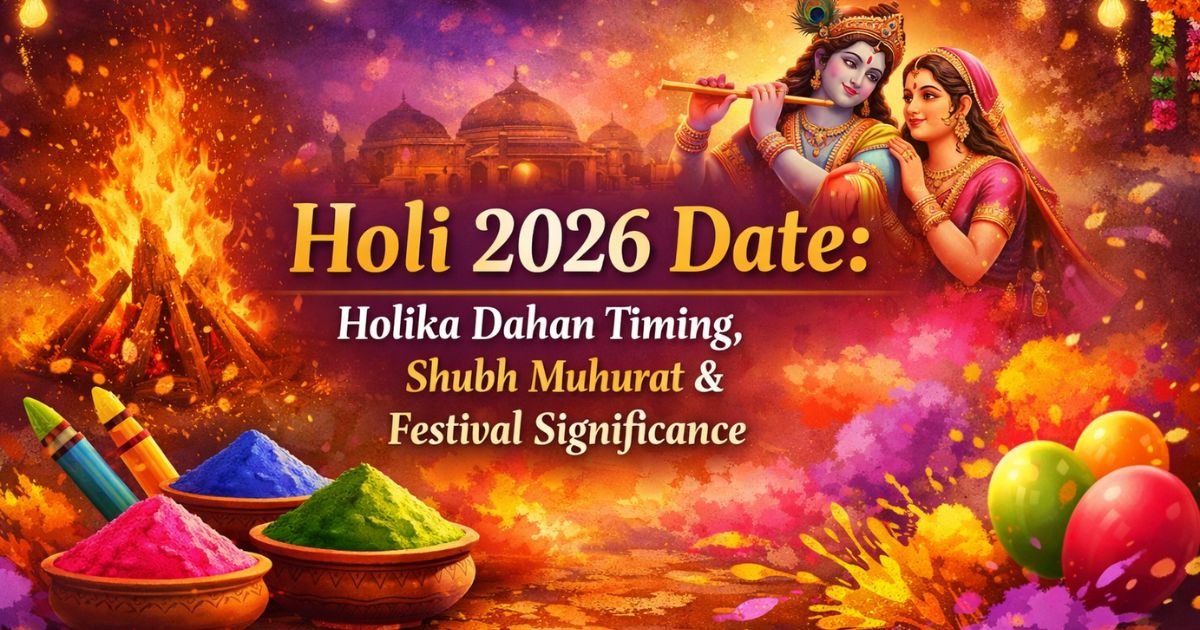
In Sanatan Dharma, Holi is not just a festival of colors but a sacred celebration that carries deep spiritual meaning, cultural richness, and emotional warmth for millions of devotees across the world. As people begin searching for the Holi 2026 Date, excitement naturally grows around planning rituals, gatherings, and traditional celebrations in advance. Knowing the correct Holi 2026 Date helps families prepare for Holika Dahan, arrange festive offerings, and align their celebrations with the Hindu Panchang. From temple rituals to joyful moments with loved ones, the Holi 2026 Date becomes an important reference point for observing this divine festival with faith and devotion. Whether you celebrate for spiritual reasons or cultural joy, understanding the accurate Holi 2026 Date ensures that every ritual is performed at the right and most auspicious time.
As the vibrant festival approaches, devotees eagerly look for complete details about the Holi 2026 Date, Holika Dahan timing, and the most auspicious shubh muhurat to perform sacred rituals properly. The significance of the Holi 2026 Date goes beyond just marking a day on the calendar, as it symbolizes the victory of devotion over ego and the arrival of positivity after darkness. Celebrating according to the exact Holi 2026 Date allows families to honor traditions, perform puja during the correct muhurat, and welcome prosperity into their homes. With growing interest every year, the Holi 2026 Date becomes a key moment that connects ancient legends, seasonal change, and heartfelt celebrations in one powerful and joyful festival.
Holi 2026 Date as per Hindu Calendar
According to the traditional Hindu Panchang, Holi is celebrated in the sacred month of Phalgun during the full moon day (Phalgun Purnima), a time that holds deep spiritual and seasonal importance in Sanatan Dharma. The holy month of Phalgun in 2026 will begin in early February and is considered highly auspicious because it marks the transition from winter to spring, symbolizing renewal, growth, and divine energy. Devotees closely follow the lunar calendar to confirm the exact Holi 2026 Date, as observing the festival according to the correct tithi ensures spiritual harmony and alignment with ancient Vedic traditions.
As per the Hindu lunar calendar, the Holi 2026 Date falls on Wednesday, 4 March 2026, when devotees across India and around the world will celebrate Rangwali Holi with colors, devotion, and joy. On this sacred day, families gather to apply gulal, share festive sweets like gujiya and malpua, and spread the message of unity and forgiveness. The celebration of the Holi 2026 Date is not only about vibrant colors but also about honoring the victory of righteousness over negativity and welcoming the fresh energy of spring. This divine occasion inspires people to leave behind past misunderstandings and step into a new season filled with hope, positivity, and spiritual renewal.
Holika Dahan 2026 Date and Shubh Muhurat
Holika Dahan, lovingly known as Chhoti Holi, is observed one day before the main festival of colors and holds profound spiritual importance in Sanatan Dharma. This sacred ritual symbolizes the burning away of evil forces, arrogance, and negative energies, inspired by the divine story of Prahlad and Holika that teaches the eternal victory of devotion over ego. On this night, families gather around the holy fire, offer prayers, perform parikrama, and seek blessings for protection, peace, and prosperity. Performing Holika Dahan at the correct muhurat is considered highly auspicious, as it is believed to purify the environment and remove obstacles from one’s life.
Holika Dahan 2026 – Date and Auspicious Timing
| Ritual | Date | Auspicious Time |
| Holika Dahan | 3 March 2026 (Tuesday) | 6:22 PM to 8:50 PM |
Holika Dahan in 2026 will be observed on Tuesday, 3 March 2026, during the Pradosh Kaal when Purnima Tithi is prevailing, which is considered the most favorable time for this sacred ceremony. Lighting the holy fire within the given shubh muhurat ensures that the ritual aligns with Vedic traditions and spiritual energies. Devotees believe that offering prayers, coconuts, grains, and new harvest items into the fire during this period brings divine blessings, shields the family from negativity, and invites happiness, stability, and spiritual strength into the household.
Religious Importance of Holi in Sanatan Dharma
In Sanatan Dharma, Holi is not merely a cultural celebration but a spiritually powerful festival rooted in ancient scriptures and divine legends. The religious importance of Holi is deeply connected with the sacred story of Bhakt Prahlad and Lord Narasimha, which beautifully symbolizes the eternal victory of faith, devotion, and righteousness over arrogance and evil intentions. This divine episode reminds devotees that unwavering bhakti toward Lord Vishnu always protects a true devotee, even in the most difficult circumstances. Holi therefore represents the burning away of negativity and the emergence of spiritual strength and divine grace in one’s life.
According to Hindu Puranas, Prahlad’s unshakeable devotion saved him from the blazing fire of Holika Dahan, while Holika, who misused her powers with ego and cruelty, was destroyed. This sacred event teaches that truth, purity of heart, and devotion always triumph over darkness and injustice. On this auspicious occasion, devotees worship Lord Narasimha, an incarnation of Lord Vishnu, along with Holika Mata, seeking protection and blessings. Chanting Vishnu mantras, performing puja with sincerity, and meditating on divine virtues during Holi are believed to remove obstacles, purify the mind, and invite peace, prosperity, and spiritual upliftment into the home.
Why Charity Is Important on Holi
Charity, or Daan, occupies a sacred and cherished place during Holi celebrations, reflecting the festival’s deeper spiritual values of compassion, generosity, and selflessness. After performing Holika Dahan and Holi Puja, devotees are encouraged to donate food, clothes, grains, or money to temples, priests, and the underprivileged. Such acts of giving are considered highly auspicious, as they honor dharma, strengthen community bonds, and align one’s actions with divine principles. Practicing charity on Holi is seen as a way to share joy, uplift the needy, and cultivate a spirit of empathy and harmony.
Benefits of Performing Charity on Holi
- Brings financial stability and growth – Giving with devotion invites prosperity into one’s life.
- Reduces ongoing problems and obstacles – Selfless acts are believed to remove karmic hurdles.
- Attracts positive energy and divine blessings – Charity enhances spiritual well-being.
- Cleanses past karmic debts and promotes inner peace – Generosity purifies the mind and soul.
Engaging in acts of kindness on Holi not only supports those in need but also promotes long-term spiritual growth and personal transformation. By practicing daan with sincerity, devotees cultivate positive karma, invite divine grace, and experience a deeper connection with the festival’s true essence of love, harmony, and renewal.
Rangwali Holi 2026 Celebration
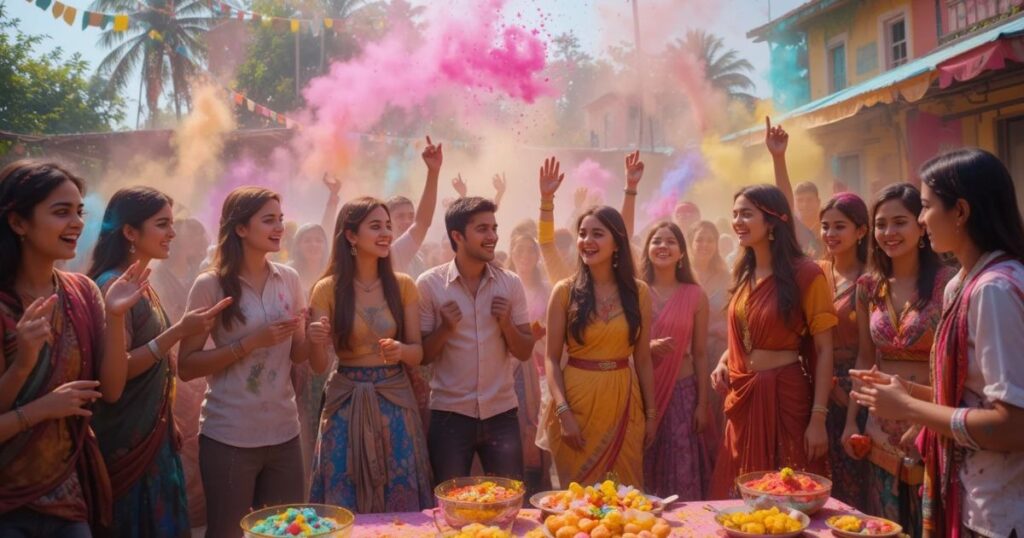
The main day of Holi, widely celebrated as Rangwali Holi or Dhulandi, will fall on Wednesday, 4 March 2026, bringing a burst of colors, joy, and festive energy across India. This vibrant celebration marks the true essence of Holi, where people gather with friends, family, and communities to rejoice in love, forgiveness, and togetherness. Rangwali Holi is not only a time for playful colors but also an opportunity to strengthen bonds, resolve past misunderstandings, and welcome the positivity of spring into everyday life.
During Rangwali Holi 2026, devotees and families partake in a variety of joyful activities:
- Applying bright colors and gulal to loved ones, spreading happiness and laughter
- Embracing friends and family while forgiving past differences to foster unity
- Singing traditional Holi songs, dancing with exuberance, and celebrating the spirit of life
- Preparing and sharing festive delicacies such as gujiya, malpua, and the refreshing thandai
Holi is far more than just a festival of colors; it symbolizes love, harmony, and social cohesion, reminding everyone to celebrate life with positivity, joy, and a renewed sense of spiritual and emotional balance.
Remedy to Remove Evil Eye Using Holika Dahan Ashes
In ancient Hindu traditions, the ashes from Holika Dahan are considered to carry powerful spiritual energy capable of protecting individuals from the evil eye (nazar) and other negative influences. These sacred ashes are more than just remnants of the ceremonial fire; they are believed to absorb and neutralize harmful energies, offering a natural spiritual remedy that has been practiced for generations. By using Holika Dahan ashes with devotion and proper ritual, devotees seek to invite divine protection, balance, and positive vibrations into their lives.
The traditional method to use these ashes is simple yet spiritually significant:
- Take a small amount of the sacred ashes after Holika Dahan.
- Gently sprinkle the ashes over the affected person’s head seven times while offering prayers.
- Dispose of the remaining ashes respectfully at a crossroads, symbolizing the removal of negativity.
Following this ritual with faith is believed to cleanse the aura, eliminate negative energy, and safeguard individuals from ill intentions, ensuring peace, harmony, and spiritual protection for the entire household.
Spiritual Message of Holi
Holi is not just a celebration of colors; it carries profound spiritual teachings that guide devotees toward personal growth, harmony, and inner transformation. The festival inspires people to release negativity by letting go of hatred, anger, and ego, fostering a sense of forgiveness and compassion in daily life. By embracing these teachings, individuals are encouraged to heal broken relationships, strengthen bonds with family and community, and cultivate an attitude of understanding, empathy, and social harmony.
Beyond its joyous celebrations, Holi conveys the timeless lesson that truth, righteousness, and goodness always triumph over darkness and negativity. The festival encourages everyone to welcome positivity, renewal, and fresh beginnings, reminding us to approach life with a lighter heart, renewed faith, and joyful energy. By absorbing the spiritual essence of Holi, devotees can transform challenges into opportunities for growth, fostering peace, happiness, and divine blessings in both personal and communal life.
Holi 2026 – Important FAQs
When will Holi be celebrated in 2026?
Holi 2026 will be celebrated on Wednesday, 4 March 2026, marking the joyful festival of colors and the arrival of spring. On this day, people across India and worldwide come together to play with colors, sing traditional songs, and share festive delicacies.
What is the date for Holika Dahan in 2026?
Holika Dahan will be observed on Tuesday, 3 March 2026, one day before Rangwali Holi. This night is considered highly auspicious, as the sacred fire ritual symbolizes the destruction of evil, ego, and negative energies.
What is the auspicious shubh muhurat for Holika Dahan 2026?
The shubh muhurat for performing Holika Dahan in 2026 is 6:22 PM to 8:50 PM, during Pradosh Kaal when Purnima Tithi prevails. Observing the ritual at this time is believed to maximize spiritual benefits, remove obstacles, and bring prosperity to the household.
In which month is Holi celebrated according to the Hindu calendar?
Holi is celebrated in the Phalgun month as per the Hindu lunar calendar. This month marks the transition from winter to spring and is considered highly auspicious for performing rituals and celebrating festivals with devotion.
Why is Holika Dahan performed before Rangwali Holi?
Holika Dahan symbolizes the victory of good over evil and the eradication of negative energies. The ritual honors the legend of Prahlad and Holika, teaching that devotion, faith, and righteousness always triumph over arrogance and wrongdoing.
What is the religious significance of Holi?
Holi represents faith, devotion, forgiveness, and new beginnings. It inspires people to let go of past grievances, mend relationships, and embrace life with love, positivity, and spiritual awareness, reflecting the teachings of Prahlad and Lord Narasimha.
Which deities are worshipped during Holi?
Devotees primarily worship Lord Narasimha and Holika Mata. Offering prayers, performing rituals, and chanting mantras are believed to remove obstacles, invite divine blessings, and protect the household from negative influences.
Is performing charity important during Holi?
Yes, charity (Daan) is highly encouraged during Holi. Donating food, clothes, grains, or money to the needy or to temples multiplies good karma, attracts positive energy, and brings peace, prosperity, and spiritual fulfillment to the donor.
What is Rangwali Holi also called?
Rangwali Holi is also known as Dhulandi, which emphasizes playful colors, joyous celebrations, and community togetherness, symbolizing love, unity, and social harmony.
Can Holika Dahan ashes be used as a remedy?
Yes, the ashes from Holika Dahan are traditionally believed to have spiritual energy that can protect against the evil eye (nazar) and negative influences. Sprinkling a small amount on the head and respectfully disposing of the ashes is thought to cleanse negativity and restore balance in life.
How can one celebrate Holi safely and meaningfully?
While enjoying colors, it is important to use organic or natural gulal, respect everyone’s consent, and include spiritual practices like prayers and charity. This ensures that Holi remains not only fun but also meaningful, spiritually uplifting, and aligned with tradition.
What are some traditional foods and drinks associated with Holi?
Festive foods like gujiya, malpua, puran poli, and beverages like thandai are integral to Holi celebrations. These dishes not only add joy but also symbolize abundance, sharing, and togetherness among family and friends.
How does Holi promote social harmony?
Holi encourages people to forgive past grievances, reconcile differences, and strengthen relationships. By celebrating together regardless of social boundaries, it fosters unity, love, and communal harmony, reinforcing the festival’s spiritual and cultural essence.
Conclusion
Holi 2026 Date marks not just a day on the calendar, but a sacred opportunity to celebrate love, devotion, and the triumph of good over evil. Observing the festival on the correct Holi 2026 Date allows devotees to perform Holika Dahan and Rangwali Holi rituals at the most auspicious time, bringing peace, prosperity, and spiritual blessings into their lives. The festival inspires everyone to forgive, strengthen relationships, and embrace positivity, filling homes with joy, colors, and harmonious energy.
By understanding the Holi 2026 Date, devotees can fully honor traditions, participate in meaningful rituals, and enjoy the vibrant celebrations with friends and family. This sacred occasion reminds us that Holi is more than just colors it is a festival of faith, renewal, and togetherness, guiding everyone to live with a lighter heart and a renewed sense of spiritual awareness.
Read More:
Simhachalam Temple Darshan Timings & Booking Guide 2026 (Complete Visitor Guide)
Srisailam Darshan Timings 2026 – Abhishekam, Seva, Prasadam & Online Booking Guide